Business Intelligence and Financial Forecasting for 950501308, 14087, 120522105, 917935980, 18004046627, 3032555128

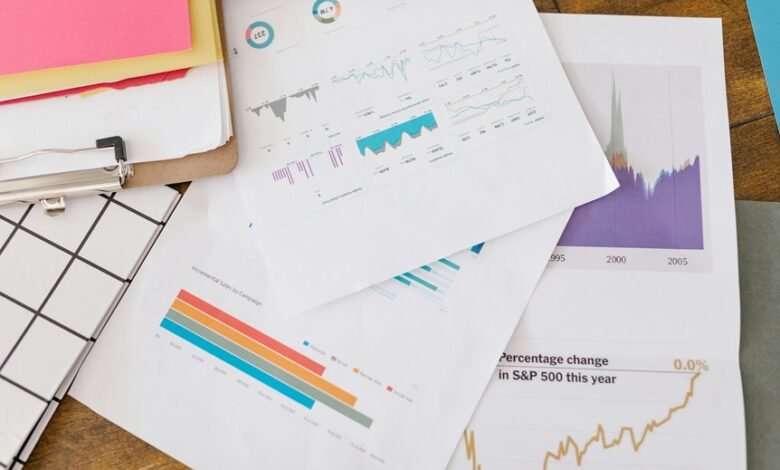
Business intelligence and financial forecasting play crucial roles for organizations such as 950501308, 14087, 120522105, 917935980, 18004046627, and 3032555128. These entities leverage data analytics to enhance decision-making and identify market trends. Understanding the nuances of financial forecasting techniques allows for more accurate projections. However, the effectiveness of these strategies hinges on the integration of robust data-driven insights. What specific methods have these organizations employed to achieve success in an increasingly competitive landscape?
The Importance of Business Intelligence in Today’s Market
As businesses navigate an increasingly complex and data-driven environment, the significance of business intelligence (BI) becomes ever more pronounced.
BI empowers organizations to leverage data-driven insights, enabling them to identify market trends effectively.
Understanding Financial Forecasting Techniques
While financial forecasting serves as a critical tool for businesses aiming to predict future financial performance, understanding the various techniques available is essential for maximizing accuracy and reliability.
Key methods include trend analysis, which identifies patterns in historical data, and predictive modeling, which leverages statistical algorithms to forecast future outcomes.
Employing these techniques enables organizations to make informed decisions based on robust financial projections.
Leveraging Data Analytics for Strategic Decision-Making
Data analytics has emerged as a crucial asset for organizations seeking to enhance their strategic decision-making processes.
By employing data visualization techniques, companies can distill complex data sets into actionable insights.
Additionally, predictive modeling allows organizations to forecast future trends and behaviors, enabling informed decisions.
This strategic use of analytics fosters agility and responsiveness, empowering businesses to adapt to dynamic market conditions effectively.
Case Studies: Success Stories From Identified Organizations
Numerous organizations have successfully harnessed business intelligence and financial forecasting to drive growth and operational efficiency.
Case studies reveal success stories highlighting how targeted data analysis enabled firms to optimize resource allocation, enhance customer engagement, and improve profit margins.
These organizations exemplify the transformative power of informed decision-making, showcasing that strategic use of analytics can lead to sustainable competitive advantages in various sectors.
Conclusion
In conclusion, the integration of Business Intelligence and financial forecasting serves as a pivotal compass for organizations like those identified, guiding them through the complexities of modern markets. By embracing data-driven insights, these entities subtly navigate uncertainties, enhancing their strategic foresight and resource allocation. This harmonious blend of analytics and foresight not only fosters resilience but also enriches competitive positioning, ultimately nurturing a landscape ripe for sustainable growth and innovation.