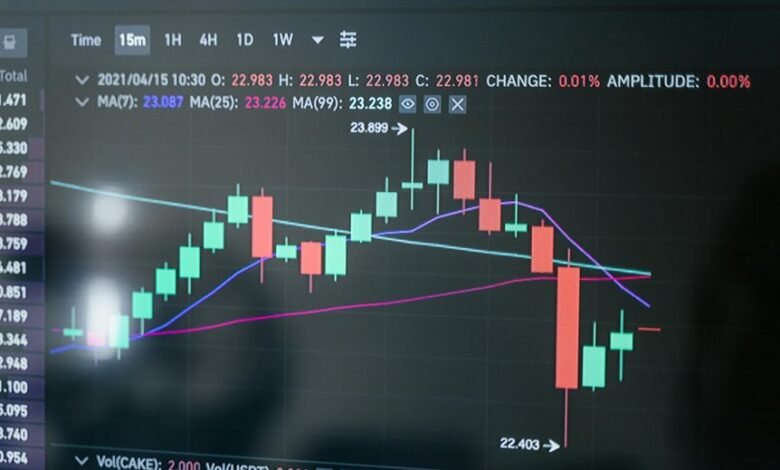
Market crashes are inevitable events that can significantly impact investors’ financial health. Understanding the nuances of market cycles can aid in anticipating downturns. Implementing strategies to mitigate losses is crucial for preserving capital. Moreover, building a resilient investment portfolio is essential for long-term success. As the landscape shifts, investors must remain vigilant and adaptable to navigate the complexities of a post-crash environment. What strategies can truly safeguard investments during such turbulent times?
Understanding Market Cycles and Their Impact
Market cycles, which encompass periods of expansion and contraction, play a crucial role in shaping investor behavior and overall economic stability.
Understanding market trends and economic indicators is essential for navigating these cycles.
Investors who recognize the signs of shifting conditions can make informed decisions, thereby safeguarding their assets and capitalizing on opportunities, ultimately fostering a sense of financial autonomy in an unpredictable environment.
Strategies to Mitigate Losses During a Downturn
During a downturn, adopting strategic measures is essential for investors aiming to mitigate potential losses.
Effective risk management techniques, such as diversifying assets and employing stop-loss orders, can enhance loss prevention efforts.
Additionally, maintaining liquidity allows for opportunistic buying when prices stabilize.
Building a Resilient Investment Portfolio for the Future
In the aftermath of a market downturn, investors are often compelled to reassess their strategies to ensure long-term stability and growth.
Building a resilient investment portfolio necessitates effective diversification strategies that spread risk across various asset classes.
Implementing robust risk management techniques further enhances portfolio resilience, allowing investors to navigate volatility while pursuing opportunities that align with their financial goals and aspirations for freedom.
Conclusion
In the turbulent seas of financial markets, investors must navigate with both caution and foresight. By embracing diversification as a sturdy vessel, employing stop-loss orders as safety nets, and remaining vigilant to economic currents, they can weather storms of volatility. As the dust settles after a market crash, a reassessment of strategies illuminates the path forward, allowing portfolios to evolve like resilient flora, poised to flourish in the wake of adversity and seize the opportunities that lie beyond the horizon.